The elusive cure

This is the text of my 2016 Stanford MedicineX Ignite talk.


An estimated one in three hundred thousand to one in a million people are born with Moebius syndrome. I am one of those ones.

The defining symptom of Moebius is facial paralysis — people with Moebius cannot fully smile, frown, move their eyebrows or move their eyes laterally, and many have limb differences and neuromuscular issues. There is currently no known cause for classic Moebius syndrome, and there is no cure beyond surgeries, therapies to alleviate the major symptoms.

Since Moebius syndrome is a rare disorder, I spend time with the rare disease community – supporting things like Rare Disease Day, GiveRare fundraising day, and assorted other dedicated days.

But sometimes I don’t feel like I belong. I’m not one of those who can hope for a cure.

A cure makes a good headline. A cure is a finite resolution. And researching cures for rare diseases can unlock clues about how to treat patients with more common diseases, which is one motivating factor why pharma companies are interested.

What I hope for is a new system that values support, relationships and learning from peer-to-peer networks the same way we value the elusive cure.

Moebius syndrome patients rely on eye medications, breathing medications, g tube and tracheostomy supplies, orthotics, dental interventions, strong prescription sunglasses since we cannot blink or squint in the sun. We definitely spend entirely too much on medical things. But we apparently aren’t exciting enough. Large pharmaceutical companies aren’t interested in providing information to patients, or donating to family conferences, or even in donating something as simple as a eye drops. Why?

Is the lack of payoff for an uncurable disorder not enough to justify supporting it?

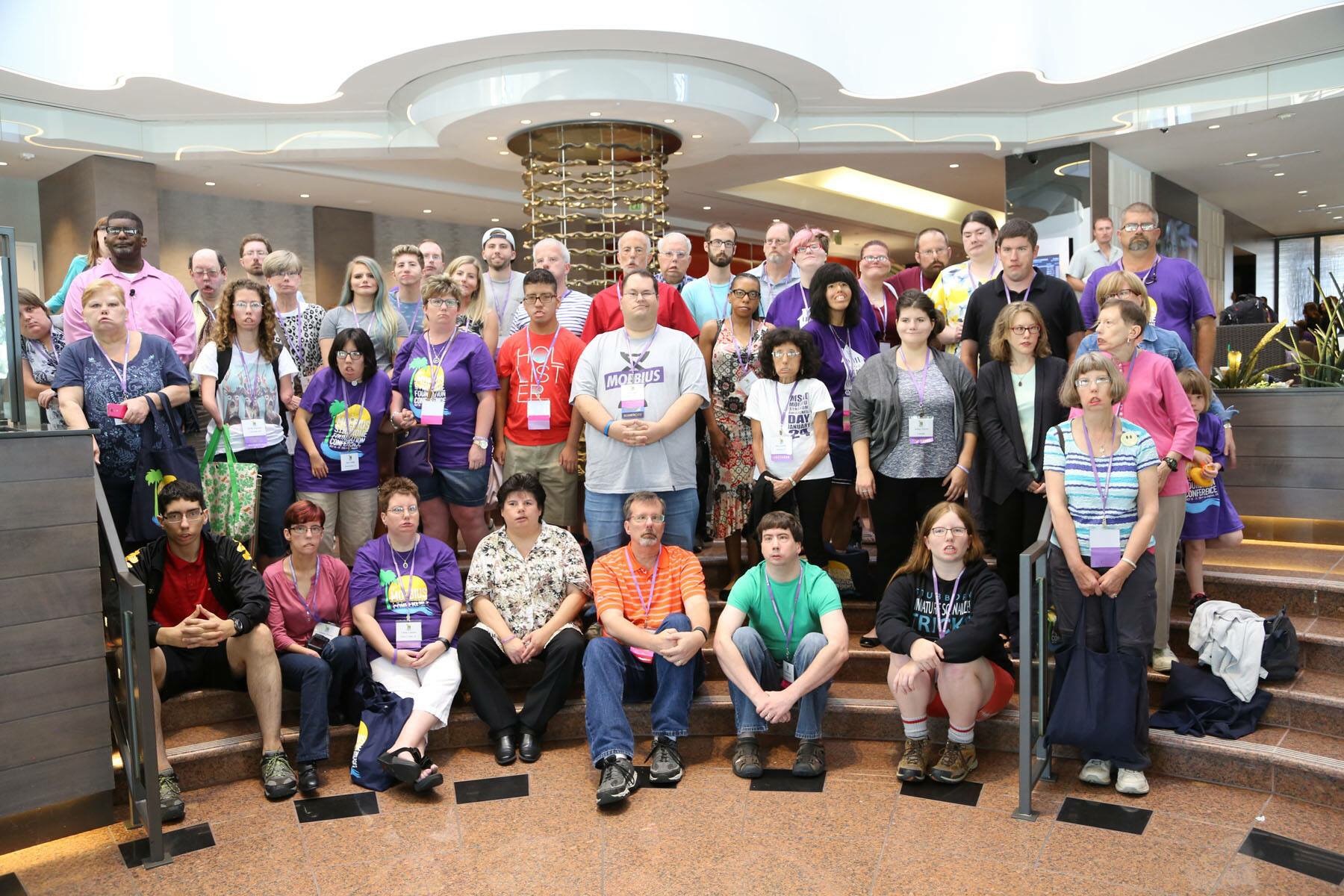
How can we make improving quality of life – through both pharmaceutical and social interventions – as coveted as a cure? Studies have shown that social support is vital for people living with Moebius syndrome, and is life-changing for the nearly 100 people with Moebius syndrome and almost 300 family and friends who gather at our conferences.

It is often the first or only time every two years where their differences are normal. And that is invaluable.

The symptoms of Moebius syndrome can lead to tremendously awkward and sometimes offensive interactions where assumptions are made by appearance alone. A few months ago as I was toileting my service dog in my apartment’s courtyard, a man walked up to me and out of the blue asked me if I was on Section 8, because of the way I look. I was too shocked to come up with an intelligent comeback besides “no” as I hurriedly threw dog poop in the trash. Everyone with Moebius syndrome, or any visible disability, has had those moments. And they sting.

But rare isn’t so rare when there are 100 of you.

How might we value hope. support and relationships and learning the same way we value the elusive cure? Moebius syndrome can lead to these painful interactions, but it can also lead to resilience, creativity and strong connections. How might we value and prize the social connections and the power of community as much as we value a cure? How do you put a monetary worth on something unquantifiable?

Moebius syndrome will not be cured in the traditional sense. Missing cranial nerves and  skeletal anomalities cannot be solved by a pill. And that is what it is.

So how might we advocate for increased industry support for patients where – while they rely on pharmaceuticals to improve, but not change, their lives – the main change will come from within? Is a change aided peripherally but not defined by pharma interventions worth investing in?

For those of us who are living it, yes.

Instead of hope for a cure, for me and others with incurable conditions, hope is the state of mind fostered by a strong community who knows and accepts the fact that not all things in life can be cured. Hope comes through connections, resources, strength and time, instead of in a pill. But hope is as valuable as a cure.

And some memories in photo form from the weekend.

Caffeine, Canines & Camaraderie

This is a sponsored post for Self Care Catalysts. I have been compensated through the Chronic Illness Bloggers network. All opinions remain my own and I was in now way influenced by the company.

Sometimes I majorly fail at self care. I have things to do, work to do, lots of deadlines and should-do’s in both my work life and other life (which isn’t work but certainly feels like it sometimes). But I try. So, going in order with my alliterated list (because, really, alliteration makes everything better).

Caffeine


I love my coffee. Whether it is fancy independent roasters or your run of the mill Starbucks or something else (well, nearly, I am admittedly a coffee snob!) my coffee makes me happy. It also helps me with fatigue and I swear it helps with chronic pain – or else it just makes you so buzzed it doesn’t matter as much! My morning is made by my morning, and midmorning, coffee. I’ve learned that I have to be careful, so part of my self care is to stay away from the coffee after 1 pm if I want to sleep. Because actually being able to sleep is good!

Canines


My Canine Companions for Independence service dog is s huge contributor towards my self care! He helps me conserve my pathetically low energy by opening doors, carrying things, and picking up all sorts of stuff! These are all things I can do myself but that take a tremendous amount of effort and energy. And using that energy means that I have less physical energy for other things. And honestly, nothing sucks as much as having lots of mental energy but no physical energy. That’s a recipe for self-pity. My dog, in his role just as a dog and not as a service dog, is also paramount to my mental self care! Animals are awesome in this way. And yes, an equine is crashing the canine party because that’s also important to my self-care. The physical and mental exercise I get from riding are life-changing.

Camaraderie

For me, a connection to others with chronic illnesses and disabilities, both my particular condition and others, is vital to my self care! It is reaffirming and sometimes life-changing. I get this connection in many ways – through the groups dedicated to my condition, from cross-disability groups, from my service dog group, and from conferences such as MedX which bring together people of many different backgrounds, both epatients and supporters, all interested in self care through education and empowerment and working together. The rush I get from the interactions I have with people who have experienced what I have is vital.

Having Said All This

Somehow this post makes it seem like I have everything in control with my self care. And… I don’t! I push myself, putting way too much on my plate – and then regret it! But self care and relying on what I outlined above are goals I’m always striving to achieve.

Photo: Rick Guidotti

My name is Natalie, and I ride horses. I also have Moebius syndrome.

http://www.selfcaremvmt.com facebook.com/selfcaremvmt @selfcaremvmt @selfcaremvmt

What’s the use of health data…

if you don’t interpret things?

I’m a librarian. I like knowing stuff, or having it at my disposal if I need to look it up. Therefore I am inherently a fan of having access to a bunch of my medical info…except when there isn’t a good explanation to go along with the data.

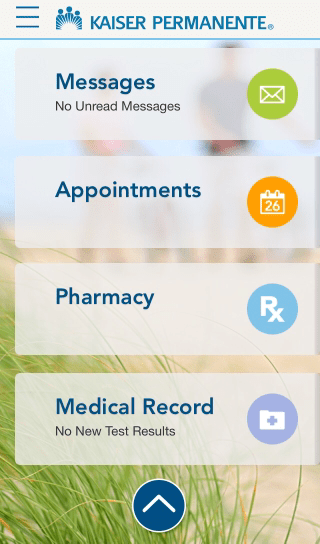
Finally got the blood tests done (that were a month overdue, my bad!) Got an e-mail literally the next day with a handy link to the results: yay! They even came with charts. Yay!


So…layman’s terms: I know my numbers were too high last time. Are these numbers low enough? Who knows…because not only did the online link to the test results not contain any kind of explaination.

I could consult Dr Google, but I’d prefer not to (because I know how unreliable that Dr Google can be). So I’ll wait for an update from my doctor and meanwhile mull over the value of patient information without actually telling us what it means. 

The Wonder of No Pity


It’s no secret that I have a seriously conflicted relationship with the upcoming Wonder movie: Yay, movie about craniofacial differences! Boo, you couldn’t find an actor with TCS to do it? Yay, so many of my favorite actors (Daveed Diggs!)…

And a big boo to their marketing campaign. The existence of someone with a craniofacial condition (and hell, in this case it’s a fake craniofacial condition) doesn’t exist to make you feel all warm and fuzzy. A mother and son interacting when the son happens to have a fake!craniofacial condition shouldn’t be impressive.

This thinking comes from the thinking that disability is this awful thing that must be avoided, overcome and conquered…instead of something that just is

I actually thought the book did a pretty good job of walking this line…but I guess we can’t expect that much for Hollywood. It’s too bad because this is a really good opportunity to raise awareness of craniofacial conditions that’s potentially being wasted in sentimentality and mushiness.

Hoping the movie is better than the marketing.

Where rare isn’t so rare


It is a profoundly strange experience, going to a place where your (nearly) one-in-a-million condition is common. Strange isn’t bad, it’s just…weird!

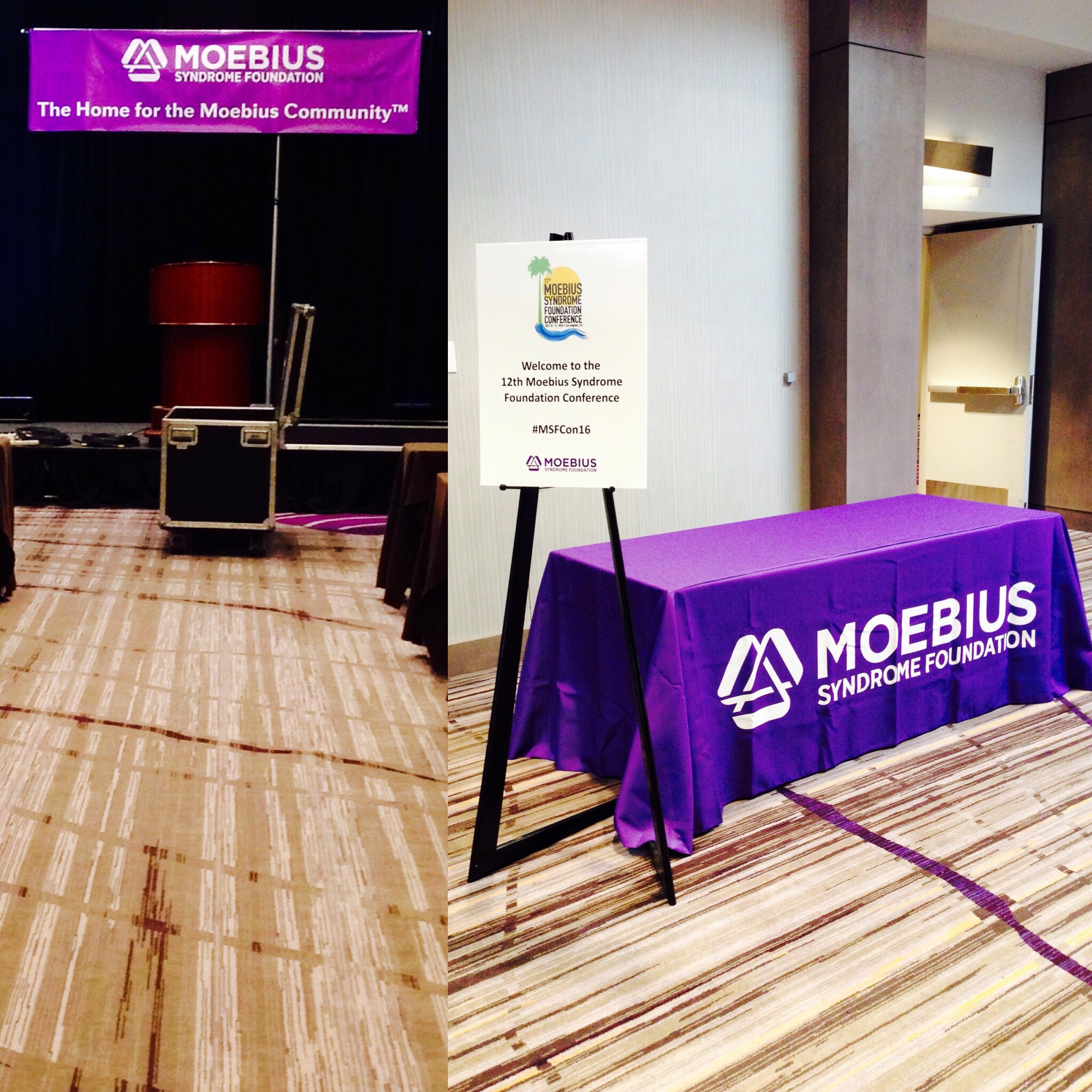
Last weekend, nearly 120 people from infants to senior citizens gathered for the 12th Moebius Syndrome Foundation Conference in Long Beach. To put it in perspective, under 100 people total (and 20ish with Moebius) gathered for the first Conference in 1994.

It’s weird to look at a (figurative) lot of people who look somewhat like you. It’s discombobulating. But good.

Of course the sessions and everything are great and the information-sharing is incredible, but the true value of a conference for a rare disorder is the face-to-face relationships you form. 

When you go home and real life intrudes things get filtered, Moebius is important but not as important as work and the day-to-day routines, so in a way making a weekend all about Moebius is important for all involved.

That was incoherent. But something slightly sappy but too exhausted to form coherent sentences is my post-Conference train of thought right now.

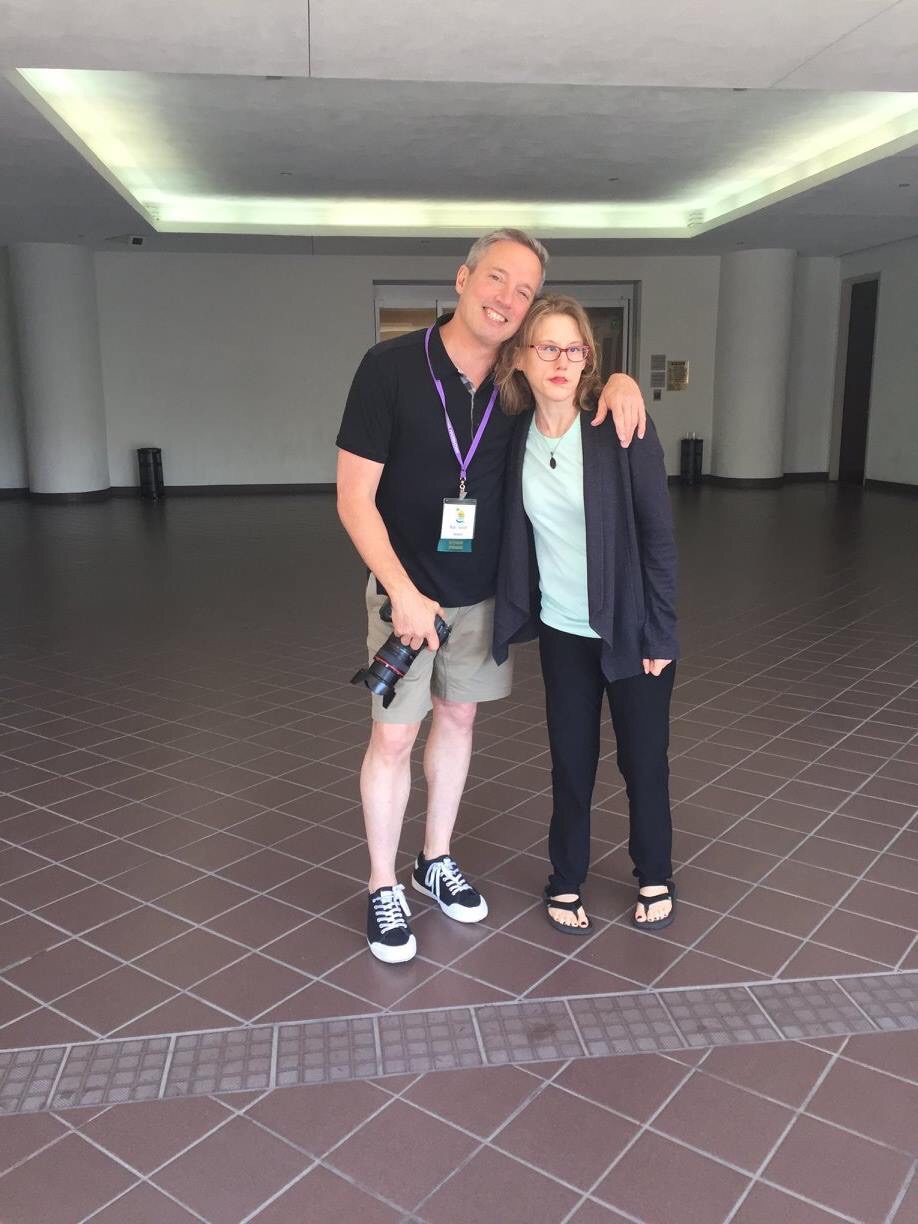
to quote the incomperable Rick Guidotti

Purpleness 

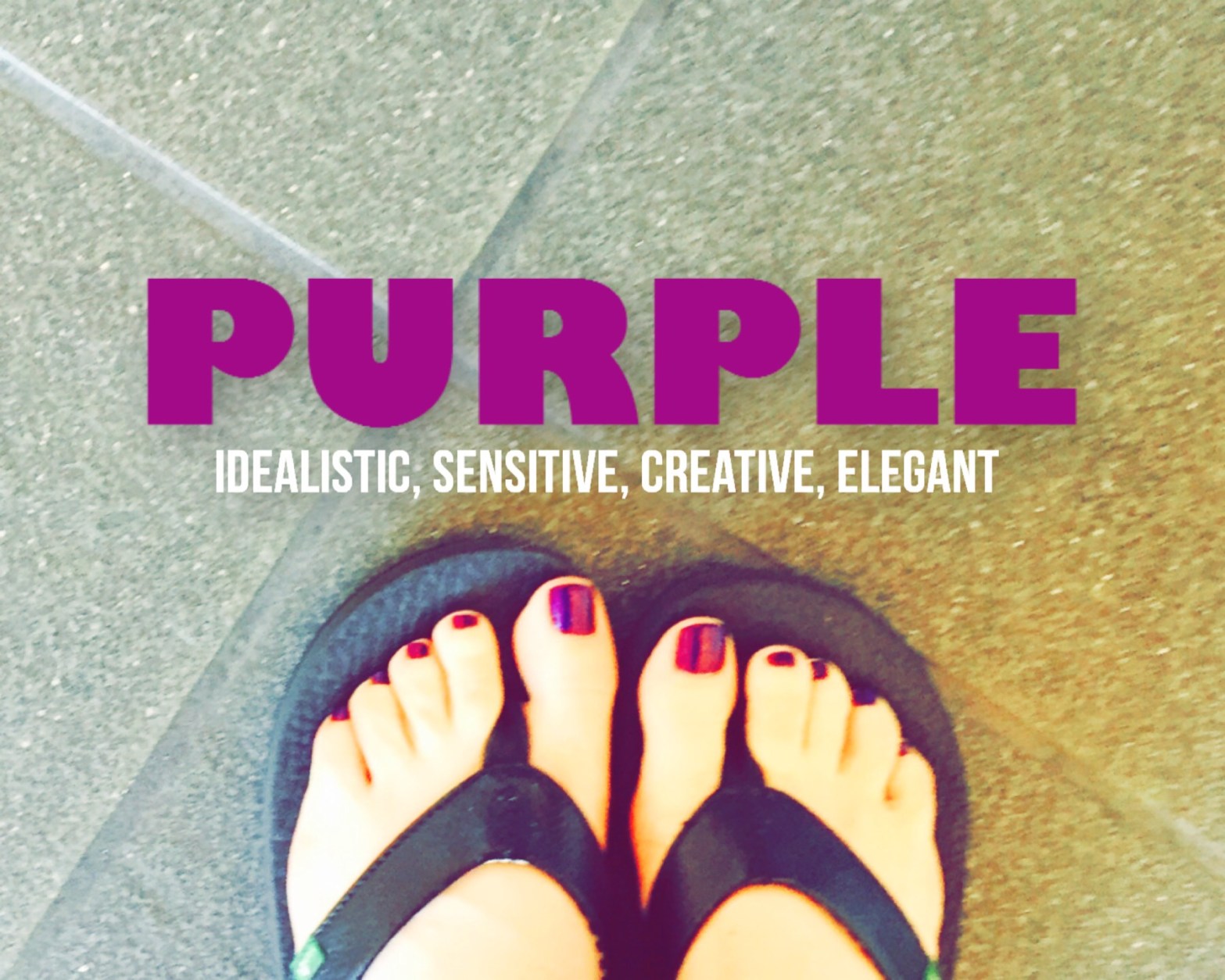
It is a good thing I like purple. Because I (well, minus the three days of work this week) will be both literally and figuratively awash in purple at the Moebius Syndrome Foundation Conference.


Found this graphic on Photofy (love that app!) and, well, if purple is an idealistic color I like that color for a non-profit, since what we’re doing is really an idealistic venture. Sensitive is of course good too. Working with people of all different backgrounds and perspectives is a great exercise in sensitivity! Creativity is where I’m most happy. Seriously, give me something creative and I’ll go overboard in the best way. Elegant? Well… I try. So I like it!

Thank you someone in the early 90s for choosing one of my favorite colors for “my” Foundation. At least it’s not…burnt orange or something like that.

Red, Yellow & Blue

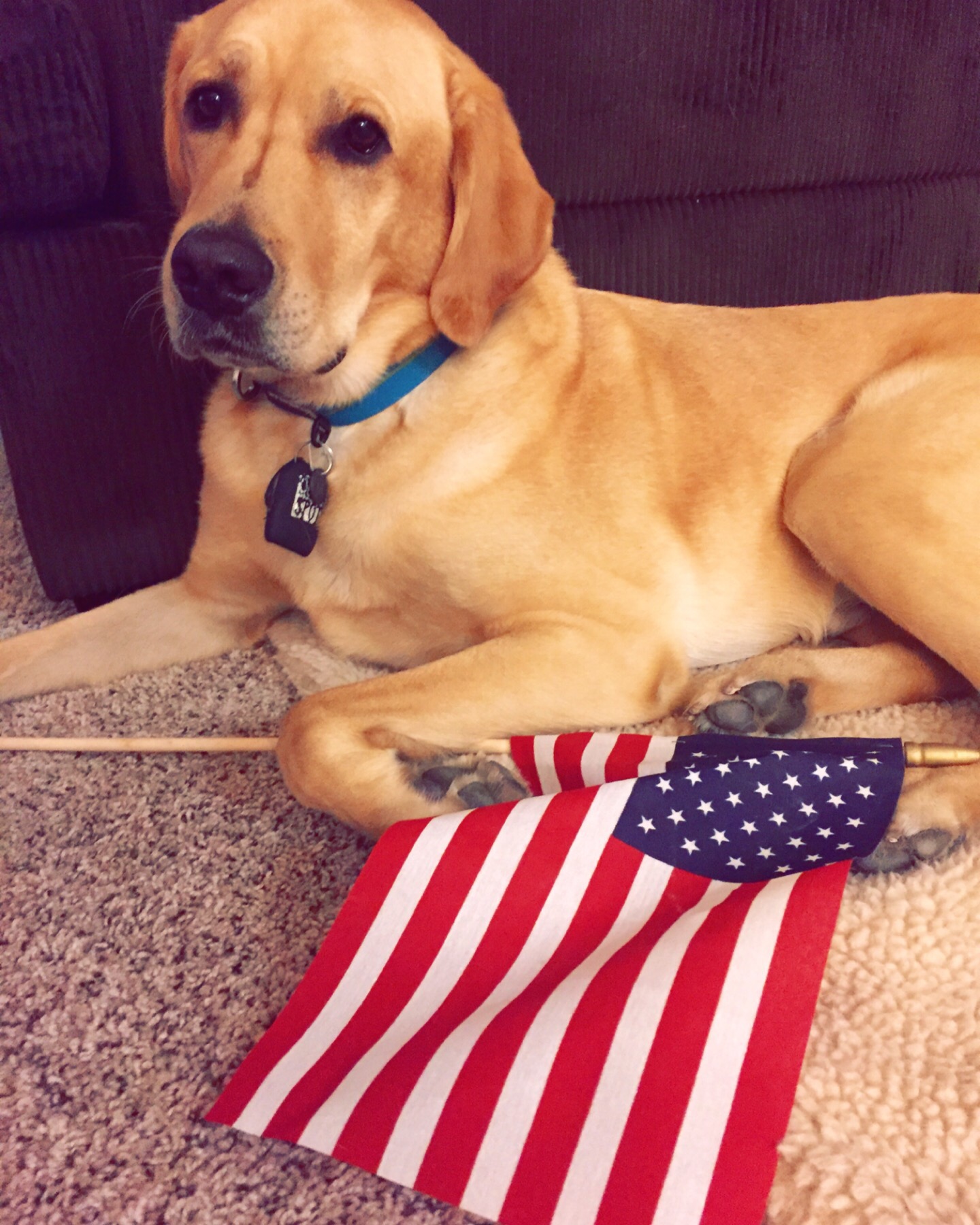
Spent the Fourth of July weekend (an actual 3-day weekend for me!) with my yellow boys who both rocked the blue, and humored me when I added some red to the mix!


I hope the paw on the flag isn’t disrespectful. It was awkward holding it, sooo…

Readying myself for three days of work + one day off + one day of work + one day off + three days of work = Los Angeles for the Moebius Syndrome Foundation Conference for four days (really a working vacation if you can even call it a vacation) then Disneyland for my 1 day mini-vacation.

I’m tired already and this 2 week stretch hasn’t even started…